As you embark on the journey of selecting the perfect dining table, understanding the intricacies of wood types can significantly enhance your decision-making process. Did you know that the choice between hardwood and softwood can shape not just your table's aesthetics but also its longevity? Let's explore the essential insights that will empower you to make an informed choice.
What You Will Learn
- Hardwood offers enhanced durability, making it ideal for families and frequent gatherings.
- Softwood is generally more affordable but may require more maintenance over time.
- Both wood types provide unique aesthetic qualities, with hardwood typically presenting a more luxurious look.
- Sustainable sourcing is crucial; look for certifications like FSC to ensure responsible forestry practices.
- Understanding grain patterns and finish options can help you elevate the ambiance of your dining space.
Hardwood vs. Softwood for Dining Tables
Key differences in characteristics and suitability for Australian homes. For a broader perspective on materials, check out our Dining Table Materials Comparison Guide.
Durability & Sourcing
Hardwood is generally denser and more durable, sourced from deciduous trees, ideal for frequent use. Softwood is lighter, easier to work with, from coniferous trees, and often more affordable. Both can be sustainably sourced, with certifications like FSC and PEFC indicating responsible forestry.
Aesthetics: Grain Patterns
Hardwoods often showcase intricate grain patterns, adding depth and character. Softwoods typically have a more uniform look, perfect for rustic aesthetics. Both offer various color variations and can be tailored with different finishes.
Practicality: Maintenance & Budget
Hardwood requires less maintenance over time due to its density, though it's typically more expensive. Softwood is often more affordable but may require more care and is prone to dents. Regular cleaning and appropriate polish benefit both types.
Understanding Wooden Dining Tables: The Core Differences Between Hardwood and Softwood
When it comes to selecting the perfect dining table, understanding the type of wood is essential. Wood type matters because it affects not only the aesthetic appeal of your table but also its durability and maintenance needs. In Australian homes, where climate can vary significantly, choosing between hardwood and softwood plays a crucial role in ensuring that your dining table remains a cherished centerpiece for years to come!
As someone deeply passionate about interior design, I can attest that knowing the differences between these wood types can help you make an informed decision that suits your lifestyle and budget. Let’s dive into the world of wooden dining tables and explore the key factors that make hardwood and softwood unique.
Why Wood Type Matters for Dining Tables in Australian Homes
The choice of wood for your dining table goes beyond looks; it’s about functionality too! In Australia, factors like humidity and temperature can impact the longevity of your furniture. Here’s why the wood type is significant:
- Durability: Hardwood generally offers enhanced durability compared to softwood, making it ideal for families and frequent gatherings.
- Maintenance: Different woods require various levels of care. Understanding this can save you from future headaches!
- Aesthetic Appeal: The visual characteristics of hardwood and softwood can significantly influence your dining space's overall look.
By considering these points, you’ll find it easier to choose a dining table that not only looks great but lasts through countless meals and memories! If you are considering a 6-seater, explore our guide on Selecting a 6-Seater Dining Table.
Overview of Hardwood vs Softwood: Characteristics and Suitability
Let’s break down the core differences between hardwood and softwood. Knowing these characteristics can guide you to the perfect dining table that matches your needs:
- Hardwood: Typically denser and more durable, hardwood comes from deciduous trees. Popular options include oak, walnut, and cherry. Their robust nature makes them ideal for family settings.
- Softwood: Sourced from coniferous trees, softwood like pine and cedar is lighter and easier to work with. While they may be less durable, they’re often more affordable and offer charming rustic aesthetics.
Understanding these distinctions helps you gauge which type aligns best with your style and usage. So, are you leaning towards the strength of hardwood or the warmth of softwood?
The Aesthetics of Wooden Tables: Grain Patterns and Finish Options
The beauty of a wooden dining table lies in its unique grain patterns and finish options. Each wood type offers distinct aesthetic qualities that can elevate your dining space:
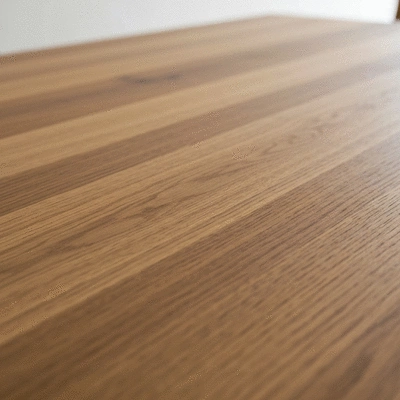
- Grain Patterns: Hardwoods often showcase intricate grain patterns, adding depth and character. Softwoods typically have a more uniform look.
- Finish Options: From natural stains to glossy finishes, both hardwood and softwood can be tailored to fit your design preferences.
- Color Variations: Hardwoods can come in a variety of rich hues, while softwoods tend to have lighter shades, perfect for creating a bright and airy feel.
As you ponder the design of your dining area, remember that the finish and grain pattern of your table can greatly influence the overall ambiance of your space. Imagine a beautifully finished hardwood table set against your color palette—it's a sight to behold!
Pro Tip
When selecting a wooden dining table, consider choosing a finish that not only enhances the wood's natural beauty but also provides protection against spills and stains. A high-quality polyurethane or varnish finish can help safeguard your table from everyday wear and tear, ensuring it remains a cherished centerpiece for years to come!
Summarizing the Pros and Cons of Wooden Dining Tables
As we delve into the world of wooden dining tables, it’s essential to weigh the benefits and drawbacks of each wood type. Understanding the pros and cons can significantly influence your decision-making process, ensuring that your dining table not only meets your aesthetic desires but also fits your functional needs.
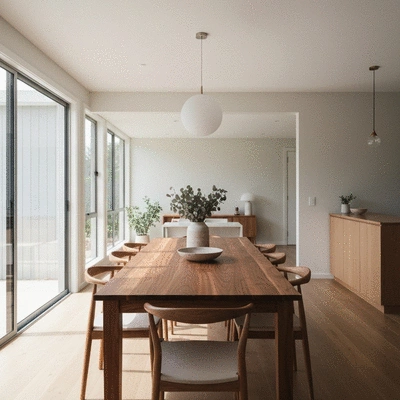
Here are the key takeaways regarding hardwood and softwood options:
- Hardwood: Known for its durability and dense structure, hardwood is excellent for those who plan to use their dining table frequently.
- Softwood: Typically more affordable, softwood can be a great choice for budget-conscious buyers, but it may require more maintenance over time.
- Aesthetics: Both types offer beautiful finishes and grain patterns, but hardwood generally presents a more luxurious look.
- Environmental Impact: It's important to consider the sustainability of the wood you choose—many hardwoods are sourced responsibly, while softwoods can also be eco-friendly.
By summarizing these attributes, I hope to guide you toward selecting the best wooden dining table that aligns with your taste and requirements!
Your Next Steps: Making an Informed Purchase Decision
After understanding the differences between hardwood and softwood, it’s time to think about where to buy your ideal table. Choosing the right retailer can make all the difference in your shopping experience.
Where to Buy Quality Wooden Dining Tables in Australia
Here are some reliable places to start your search for beautiful wooden dining tables:
- Local Furniture Stores: Visiting brick-and-mortar stores can allow you to see and feel the quality of the wood firsthand.
- Online Retailers: Websites like Living Styles and Temple & Webster offer a wide range of choices and often feature customer reviews.
- Custom Furniture Makers: For a truly unique piece, consider commissioning a local craftsman who can tailor the design to your specifications.
Remember, exploring various options is key to finding a dining table that fits seamlessly into your space and complements your style.
FAQs: Addressing Common Concerns and Questions
Frequently Asked Questions
- What is the main difference between hardwood and softwood for dining tables? Hardwood (e.g., oak, walnut) is denser, more durable, and ideal for frequent use, while softwood (e.g., pine, cedar) is lighter, more affordable, and often has a rustic aesthetic.
- How does wood type affect the durability of a dining table? Hardwood is generally more resistant to dents and scratches due to its density, making it more durable for long-term, heavy use. Softwood is softer and more prone to wear.
- What are the maintenance requirements for wooden dining tables? Both types benefit from regular cleaning with a soft cloth and appropriate wood polish. Hardwood generally requires less intensive maintenance over time compared to softwood.
- Can I find sustainably sourced wooden dining tables in Australia? Yes, look for certifications like FSC (Forest Stewardship Council) or PEFC (Programme for the Endorsement of Forest Certification) to ensure the wood has been sourced responsibly.
- Is hardwood always more expensive than softwood? Generally, yes. Hardwood is typically more expensive due to its density, durability, and slower growth rate compared to softwood.
Don't hesitate to reach out with any questions that arise during your shopping journey; I'm here to help!
Understanding Timber Certification and Import Regulations
When purchasing a wooden dining table, it’s crucial to consider the source of the timber. Sustainable practices ensure that you’re not only getting a beautiful piece for your home but also supporting responsible forestry. Look for certifications like FSC (Forest Stewardship Council) or PEFC (Programme for the Endorsement of Forest Certification), which indicate that the wood has been sourced sustainably.
Additionally, be aware of import regulations in Australia to ensure that you’re buying products that meet environmental standards. By educating yourself on these factors, you can make a more informed and responsible choice for your dining space! For more considerations that impact your home's aesthetic, explore our guide on Choosing Dining Table Shapes Wisely.
Recap of Key Points
Here is a quick recap of the important points discussed in the article:
- Wood Type Matters: The choice between hardwood and softwood affects durability, maintenance, and aesthetic appeal.
- Durability & Maintenance: Hardwood is generally more durable and requires less maintenance compared to softwood, which may be more affordable but needs more care.
- Aesthetic Qualities: Hardwoods often showcase intricate grain patterns and rich colors, while softwoods provide lighter shades and a rustic charm.
- Environmental Considerations: Look for sustainably sourced wood, with certifications like FSC or PEFC, to ensure responsible forestry practices.
- Where to Buy: Explore local furniture stores, online retailers, and custom furniture makers to find the perfect dining table.