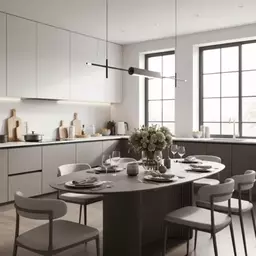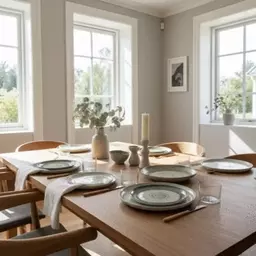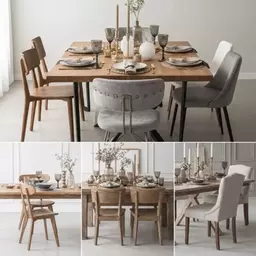
Choosing the right dining table shape can entirely transform your dining experience. Did you know that the shape of your table can impact everything from space efficiency to social interactions? Let’s explore some essential insights to guide your decision-making.
What You Will Learn
- The shape of your dining table plays a critical role in space efficiency and functionality.
- Different table shapes cater to various seating capacities and promote distinct social dynamics.
- Evaluating size proportions is vital for ensuring a harmonious fit within your dining area.
- Your table choice should align with personal style while meeting practical needs for functionality.
Dining Table Shape: Impact on Space & Seating
The shape of your dining table is crucial for both aesthetic and practical reasons. Below, we compare how different table shapes influence space efficiency and seating capacity. For a deeper dive into specific shapes, check out our guide on choosing dining table shapes wisely.
Space Efficiency Comparison
Rectangular Tables
Best for longer rooms, maximizing length.
Round Tables
Ideal for small, cozy areas, promoting intimacy.
Square Tables
Great for balanced rooms, symmetrical usage.
Oval Tables
Versatile, combining aesthetics & utility.
Seating Capacity & Flow
Rectangular Tables
More seats, ideal for large gatherings.
Round Tables
Encourages interaction, typically fewer seats.
Square Tables
Equal diners on all sides, balanced seating.
Oval Tables
More seating than round, good flow.
Understanding the Importance of Dining Table Shape in Room Layout
When designing your dining area, the shape of your table plays a crucial role in how the space feels and functions. A well-chosen table shape can enhance the overall aesthetic while maximizing practicality. Whether you’re hosting a large family dinner or enjoying an intimate meal for two, understanding the importance of dining table shape can transform your dining experience.
At Dining Table Guide, I believe that the right table can create a warm and inviting atmosphere, making every gathering special. Let’s dive into why selecting the appropriate shape is essential for both space efficiency and room dynamics.
Why the Right Dining Table Shape Matters for Space Efficiency
The shape of your dining table significantly affects how efficiently you use your space. A rectangular table may fit seamlessly in a long room, while a round table could make a cozy corner feel more inviting. Choosing the right shape ensures you make the most of your square footage without sacrificing comfort.
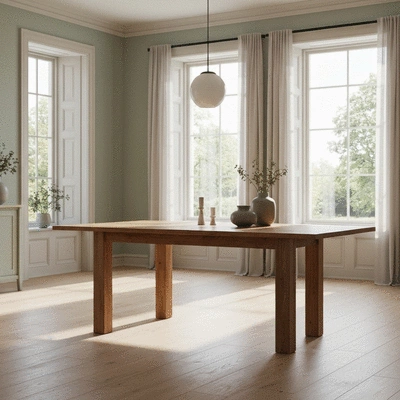
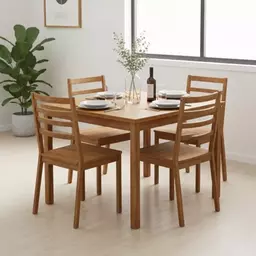
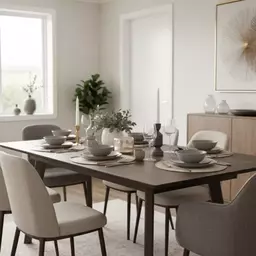
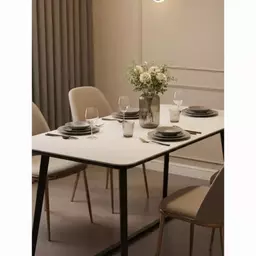
- Rectangular Tables: Best for longer spaces, allowing for more seating
- Round Tables: Ideal for small areas, promoting conversation
- Square Tables: Great for balanced rooms, offering an equal amount of space
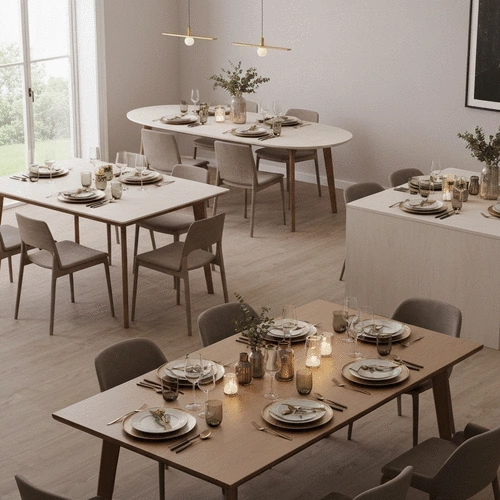
- Oval Tables: Versatile for various layouts, combining aesthetics and utility
By understanding your room's dimensions and the table shapes available, you can create a dining area that is both functional and stylish.
How Dining Table Shape Affects Seating Capacity and Flow
The shape of your table greatly influences how many guests you can comfortably seat and how they navigate the space. For example, a round table may feel more intimate but can limit the number of seats compared to a rectangular table that maximizes edge space. It's essential to consider both seating capacity and how people will move around the table. For advice on specific seating needs, explore our guide on selecting a 6-seater dining table.
- Rectangular Tables: More seats, perfect for larger gatherings
- Round Tables: Encourages interaction but usually seats fewer people
- Square Tables: Allows for an equal number of diners on all sides
- Oval Tables: Combines the best of both worlds, offering more seating while maintaining flow
When selecting your table, think about your hosting style and how often you entertain. A good flow can make your dining experience much more enjoyable!
Evaluating Size Proportions for Your Dining Table and Room
Finding the right size table is just as important as the shape. You want a table that fits well within your room without overwhelming it. Consider the proportions of your dining area, and aim for a table size that complements the space. In my experiences, I’ve seen how the right proportions can create balance and harmony. For insight into various materials that can influence your choice, consider our guide on dining table materials for families.
- Measure Your Space: Ensure there’s enough room to walk around the table comfortably.
- Consider Table Height: Make sure the table height works with your chairs for a cohesive look.
- Think About Purpose: The size may change depending on whether you’re hosting a dinner party or having a casual meal.
By taking these factors into account, you can ensure your dining table becomes a centerpiece of your home that enhances both functionality and style.
Quick Poll: What's Your Ideal Dining Table Shape?
We want to know your preference! Which dining table shape do you think is best for your space? Share your thoughts below:
Frequently Asked Questions About Dining Table Shapes
- Q: How does dining table shape impact space efficiency?
- A: The shape significantly affects how efficiently space is used. Rectangular tables fit well in long rooms, maximizing length, while round tables are ideal for smaller, cozier areas, promoting intimacy.
- Q: Which dining table shape is best for large gatherings?
- A: Rectangular tables are generally best for large gatherings as they offer more seating capacity. Oval tables also provide more seating than round tables while maintaining good flow.
- Q: How do different table shapes affect social interaction?
- A: Round tables encourage more intimate conversation as everyone is equidistant. Rectangular tables are great for larger groups but can sometimes make conversation across the table more challenging. Square tables offer balanced seating, with equal diners on all sides.
- Q: What should I consider when evaluating table size proportions?
- A: You should measure your space to ensure there's enough room to walk around the table comfortably. Also, consider the table height in relation to your chairs and the table's purpose (e.g., daily meals vs. entertaining) to determine the appropriate size.
- Q: How can I ensure my dining table's shape matches my home's style?
- A: Consider current design trends, material choices (e.g., glass for modern, wood for warmth), and color coordination with your existing decor. The table should not only be functional but also aesthetically pleasing and reflective of your personal style.
Summarizing Key Insights on Dining Table Shapes
When it comes to selecting the perfect dining table shape, understanding your unique space is crucial. Each shape brings something different to the table—literally! From the intimacy of a round table to the efficiency of a rectangular one, the right choice can transform your dining area into a welcoming gathering place. Let's dive into how to choose the best shape tailored to your room's specific needs.
Choosing the Right Shape Based on Your Room's Unique Needs
Your room's dimensions and layout play a significant role in determining which dining table shape works best. Consider the following aspects:
- Size and Scale: Ensure the table fits comfortably within the space without overwhelming it.
- Room Shape: Long, narrow rooms may benefit from rectangular tables, while smaller squares might suit round tables better.
- Seating Needs: Think about how many people you typically entertain; this will influence your choice of shape and size.
- Style Cohesion: The shape should complement the overall aesthetic of your home.
By evaluating these factors, you can make a more informed decision that enhances your dining space's functionality and style.
The Impact of Table Shape on Comfort and Functionality
The shape of your dining table doesn't just affect aesthetics; it also influences comfort and how well the space functions. Here’s why:
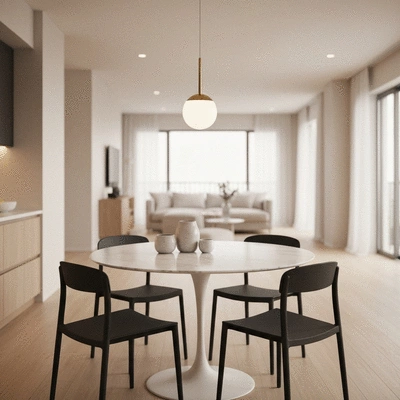
- Conversation Flow: Round tables facilitate easier conversation since everyone is equidistant.
- Accessibility: Rectangular tables allow for more efficient seating arrangements, especially for larger groups.
- Traffic Patterns: Understanding how your table interacts with foot traffic can help avoid awkward clashing when people move around.
Choosing a table that aligns with these aspects can make your dining experience much more enjoyable and welcoming.
Integrating Style Compatibility with Personal Preference in Table Selection
While practicality is essential, the dining table shape should also reflect your personal style. Here’s how to make sure your choice harmonizes with your aesthetic:
- Design Trends: Consider current trends in furniture, such as minimalist or rustic styles, and how your table fits in.
- Material Choices: The finish can significantly impact the look; for instance, a sleek glass top can modernize a space, while a wooden table offers warmth.
- Color Coordination: Ensure your table complements the existing color scheme of your dining area.
Ultimately, your dining table should not only serve a purpose but also be a piece that you love and that enhances the warmth of your home.
Encouraging Engagement and Personalization
I would love to hear about your dining table experiences! The choices you've made could inspire others in their quest for the perfect table. Let’s take a look at how you can share your journey and insights.
Inviting Reader Experiences: Share Your Table Shape Choices
Have you recently bought a dining table? Or maybe you've upgraded to a new shape? I encourage you to share your experiences with us! What influenced your decision? Your stories can help fellow readers make informed choices.
Utilizing User Testimonials for Real-World Insights
User testimonials can be incredibly powerful. Seeing how others have successfully chosen their dining tables can provide valuable insights. Consider sharing your thoughts or even a photo of your dining area! It’s a great way for all of us to learn from each other.
Recommendations for Custom Furniture Based on User Needs
Sometimes, a standard shape just won’t do! If you're looking for something unique, consider custom options. Think about your specific needs and preferences—whether it's a custom size, shape, or material, I can provide guidance to help you find the perfect fit for your home.
Recap of Key Points
Here is a quick recap of the important points discussed in the article:
- Table Shape Matters: The shape of your dining table impacts space efficiency, seating capacity, and the flow of movement within the room.
- Choose Based on Space: Rectangular tables fit longer spaces, while round tables enhance intimacy in smaller areas.
- Size Proportions: Measure your space to ensure the table fits comfortably without overwhelming the room.
- Comfort and Functionality: Consider how the table shape affects conversation flow and accessibility for your guests.
- Style Compatibility: Align the table's design and material with your personal style and the overall aesthetic of your home.