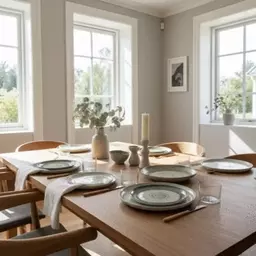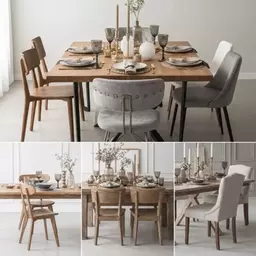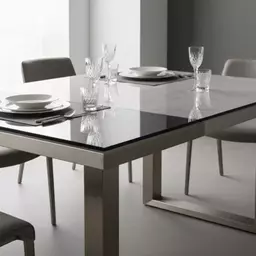
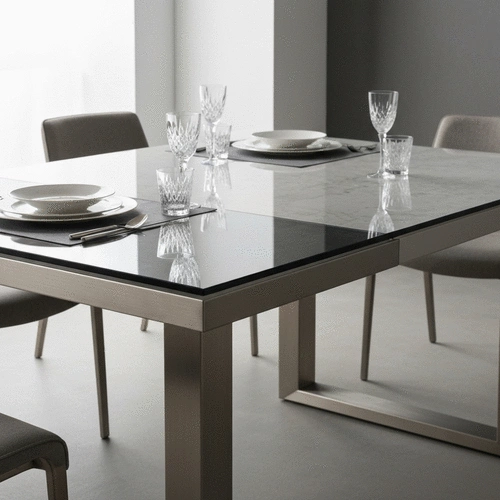
Did you know that the material of your dining table can significantly impact both its aesthetic appeal and maintenance requirements? Choosing wisely is essential to ensure it complements your lifestyle and decor.
What You Will Learn
- Different materials like wood, glass, metal, and stone each offer unique benefits and aesthetic qualities for dining tables.
- Material choice greatly influences maintenance needs; for example, glass requires frequent cleaning while wood is more susceptible to scratches.
- Durability varies among materials, with metal being robust and wood requiring careful attention to prevent warping over time.
- Establishing daily maintenance habits, such as using coasters and regular dusting, can significantly prolong the life and appearance of your dining table.
- Specific care instructions are essential for each material type; using the right cleaning products can prevent damage and maintain beauty.
How Different Dining Table Materials Compare on Durability and Care
Each dining table material comes with its own set of characteristics that impact its longevity and maintenance. Below is a comparison to help you choose the best fit for your lifestyle. For a more detailed look, check out our dining table materials comparison guide.
Material Characteristics
Wood
Durability: Can be refinished, may warp over time depending on humidity.
Care: Use wood cleaner, avoid excessive moisture.
Glass
Durability: Durable but can scratch easily; tempered glass is sturdier.
Care: Clean with glass cleaner and microfiber cloth.
Metal
Durability: Resistant to dents, may rust without proper care.
Care: Regularly apply suitable polish to prevent rust.
Stone
Durability: Generally very durable, prone to acid damage.
Care: Seal surfaces regularly, avoid acidic substances.
Understanding Your Dining Table Materials: Key Characteristics
Choosing the right dining table starts with understanding the different materials available. Each material offers unique characteristics that can greatly affect the look, feel, and maintenance of your table. Whether you’re drawn to the elegance of marble or the warmth of wood, knowing about these materials will help you make an informed decision that fits your lifestyle.
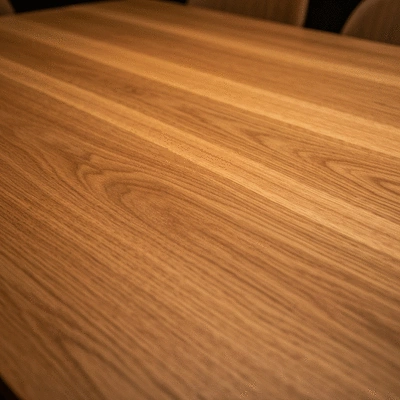
Let’s dive into the most common dining table materials, their benefits, and why material choice is so crucial when it comes to care and maintenance!
Overview of Common Dining Table Materials
There are several popular materials to consider when selecting a dining table. Here’s a quick overview:
- Wood: Known for its warmth and versatility, wood can range from oak to walnut, each offering unique grain patterns.
- Glass: Provides a modern, sleek look and can make spaces feel larger.
- Metal: Often used in contemporary designs, metal tables are durable and easy to clean.
- Stone: Marble or quartz tables add a touch of luxury but require specific care.
By understanding these materials, you can choose one that not only complements your décor but also fits your functional needs.
Why Material Matters: Impact on Maintenance and Care
The material of your dining table is key in determining how much care is required. For instance, glass tables may need frequent cleaning to stay spotless, while wood can be susceptible to scratches and water damage. Understanding these differences can save you time and hassle in maintenance. For more insights on how to choose wisely for your household, consider exploring dining table materials for families.
When considering your material choice, think about your lifestyle: Do you have kids or pets? Do you host frequent gatherings? Each of these factors can influence how you approach care and cleaning.
Exploring Table Durability: How Different Materials Hold Up Over Time
Different materials also vary in durability and lifespan. While some materials like metal are incredibly robust, others like wood can be more prone to wear and tear. It’s important to assess how often you use your dining table and what stresses it might face.
- Wood: Can be refinished but may warp over time, depending on humidity.
- Glass: Durable but can scratch easily; tempered glass is sturdier.
- Metal: Resistant to dents but may rust without proper care.
- Stone: Generally very durable, but care must be taken with acidic substances.
By weighing these durability factors, you’ll be better equipped to choose a dining table that stands the test of time and suits your needs.
Interactive Poll: Your Dining Table Material Preference
We want to hear from you! What material do you prefer for your dining table? Select your choice below:
Summarizing Key Care Tips for Dining Table Longevity
To ensure your dining table remains a cherished centerpiece in your home for years to come, establishing a few daily habits is essential. Simple actions can go a long way in maintaining its beauty and functionality. For instance, always use coasters to protect the surface from moisture and heat, and regularly wipe down the table with a soft cloth to prevent dust accumulation.
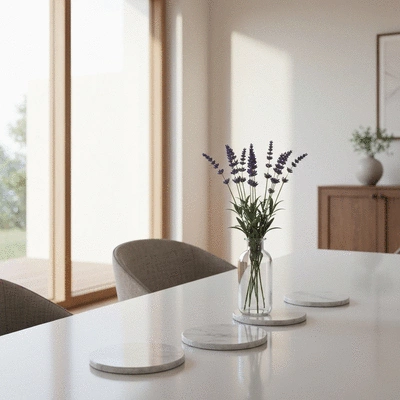
Additionally, consider implementing a weekly cleaning routine that includes checking for any spills or stains. A quick response to minor incidents often prevents lasting damage, allowing you to enjoy your dining table without worry.
Daily Habits for Maintaining Your Dining Table
- Use coasters and placemats to protect the surface.
- Wipe spills immediately to prevent staining.
- Dust the table regularly with a microfiber cloth.
- Check and tighten any loose screws or joints weekly.
These daily habits can keep your dining table looking pristine, ensuring it's always ready for family meals or gatherings with friends. The little things add up and can significantly prolong your table's lifespan!
Why Regular Maintenance Matters
Just like any other furniture piece, regular maintenance is crucial to preserve the integrity and appearance of your dining table. It not only enhances its aesthetic appeal but also saves you from unexpected repair costs down the line. Regular checks and cleaning can help identify potential issues before they escalate into more significant problems.
p>Think of maintenance as a relationship—investing time and care into your dining table builds a connection that keeps it vibrant and functional. When you treat it well, it will serve you for many memorable meals to come!Understanding Care Instructions for Different Table Materials
Different materials require tailored care instructions, so it's essential to familiarize yourself with the specific needs of your dining table. Here’s a brief overview:
- Wood: Use a soft cloth with wood cleaner, and avoid excessive moisture. For a deeper understanding of wood options, read our guide on weighing wooden dining table options.
- Glass: Clean with a glass cleaner and a microfiber cloth to achieve a streak-free shine.
- Metal: Regularly apply a suitable polish to prevent rust and corrosion.
- Stone: Seal surfaces regularly, and be cautious with acidic substances.
By following these tailored care instructions for your specific table material, you can ensure that your dining table remains a stunning focal point in your home. Remember, each type of material has unique characteristics that deserve attention!
Frequently Asked Questions (FAQs)
Q1: How does material choice affect dining table maintenance?
A1: The material significantly dictates maintenance. Glass tables need frequent cleaning for fingerprints and streaks, while wood tables are prone to scratches and water damage and require specific wood cleaners. Metal tables may need polishing to prevent rust, and stone tables require sealing to avoid acid damage.
Q2: What are the durability differences between common dining table materials?
A2: Wood can be refinished but may warp with humidity changes. Glass is durable but can scratch, though tempered glass offers more resilience. Metal is very robust and resistant to dents but can rust if not properly cared for. Stone is generally very durable but susceptible to damage from acidic substances.
Q3: What daily habits can extend the life of my dining table?
A3: Daily habits such as using coasters and placemats, immediately wiping up spills, and regularly dusting with a microfiber cloth are crucial. Weekly checks for loose screws or joints also help maintain structural integrity.
Q4: Are there specific cleaning products recommended for different table materials?
A4: Yes, using the right products is vital. For wood, use a dedicated wood cleaner. Glass benefits from glass cleaner and a microfiber cloth for a streak-free finish. Metal tables may require a suitable polish to prevent rust, and stone surfaces should be sealed regularly and cleaned with pH-neutral products.
Q5: Why is it important to understand furniture care myths?
A5: Debunking furniture care myths helps you adopt the most effective and appropriate care strategies. Misinformation can lead to using incorrect products or methods, potentially damaging your dining table instead of preserving it.
Engage with Us: Share Your Dining Table Care Tips
At Dining Table Guide, we love hearing from our community! Your experiences and tips are invaluable to fellow readers who are looking to enhance their dining space. By sharing your insights, you can help others discover effective ways to care for their beloved tables.
Join our community today and let’s make dining spaces even more inviting together!
Join Our Community and Contribute Your Experiences
Don’t be shy! Sharing your dining table care tips not only helps others but also enriches our collective knowledge. Whether it's a unique cleaning hack or a favorite product recommendation, every little bit counts. Let’s build a supportive community focused on creating beautiful dining experiences.
Explore Recommended Products for Optimal Care
We’ve curated a selection of products that can help maintain your dining table’s beauty and longevity. From premium wood cleaners to durable coasters, our recommendations are designed to fit various materials and budgets. Explore the best options that align with your dining table's needs and elevate its care!
Furniture Care Myths: What You Need to Know
There are many myths floating around when it comes to furniture care. For example, some believe that all wood finishes require oil, which isn't necessarily true! It’s important to debunk these myths so you can adopt the most effective care strategies for your dining table. Stay informed, and don’t hesitate to ask questions—I'm here to help!
Recap of Key Points
Here is a quick recap of the important points discussed in the article:
- Material Selection: Choose a dining table material that complements your décor and fits your lifestyle, such as wood for warmth or glass for a modern look.
- Maintenance Matters: Different materials require varying levels of care; for example, glass needs frequent cleaning while wood may need protection from moisture.
- Durability Considerations: Assess the durability of materials; metal tables are robust, whereas wood can be refinished but may warp over time.
- Daily Care Habits: Implement daily habits like using coasters, wiping spills promptly, and dusting regularly to maintain your table’s appearance.
- Tailored Care Instructions: Familiarize yourself with care instructions specific to your table’s material to ensure longevity and beauty.